Ticks are parasitic in nature and they attach themselves to a host to drain their blood. Hosts include birds, reptiles, amphibians, and mammals, like you.
Not every tick carries disease. However, it’s important to remove a tick to stop it from potentially infecting you with a disease, or from causing any infection at the bite site. Removal also ensures that the tick doesn’t go on to breed in your home, causing an infestation.
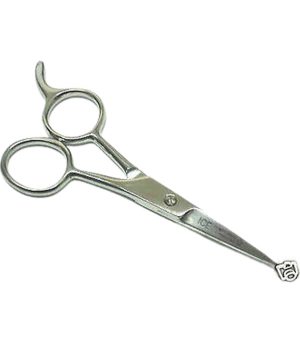
Begin by getting a good view of the tick. This may involve using a mirror and parting your hair. The Centers for Disease Control and Prevention (CDC) recommends fine-tipped Tick Removal Micro Tweezers to remove ticks. Using your tweezers, grasp the tick as close to your skin as possible. Don’t use too much pressure. You don’t want to squish or crush the tick.
With the tick firmly in your grasp, pull it straight upward with even pressure and speed. If the tick breaks, make sure to go back into the bite area and remove the rest of the tick’s head.
After removing all of the tick, clean the bite area, tweezers, and your hands with rubbing alcohol. If you don’t have rubbing alcohol, use soap and warm water.