
Babesiosis: A Tick-Borne Parasitic Disease
What Is Babesiosis?
Babesiosis is a disease caused by microscopic Babesia parasites that infect red blood cells. In the United States, most infections are transmitted through the bite of an infected blacklegged tick.
Several species of Babesia can infect people, but Babesia microti is the most common cause of human babesiosis in the United States.
Some people infected with Babesia do not develop symptoms. Others may experience a flu-like illness, and certain people can develop serious or potentially life-threatening complications.
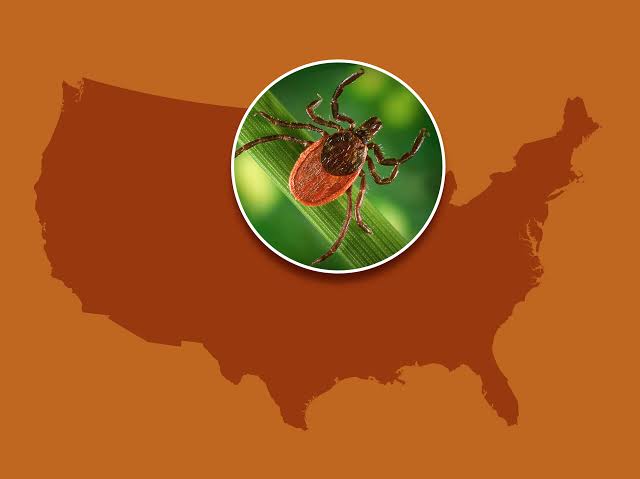
In the United States, babesiosis occurs most commonly in the Northeast and upper Midwest, although cases can occur elsewhere. Babesiosis is a nationally notifiable condition. As of CDC’s July 23, 2026 update, 41 states and the District of Columbia notify CDC of cases.
How Do Ticks Spread Babesiosis?
In the United States, Babesia microti is primarily transmitted through the bite of an infected blacklegged tick or deer tick (Ixodes scapularis).
The same tick species can also transmit pathogens that cause illnesses such as:
- Lyme disease
- Anaplasmosis
- Powassan virus disease
- Hard tick relapsing fever
The nymphal stage of the blacklegged tick typically spreads Babesia. Nymphs are extremely small—approximately the size of a poppy seed—and can therefore be difficult to notice on the skin. Nymphs are especially active during the warmer months, including spring and summer.
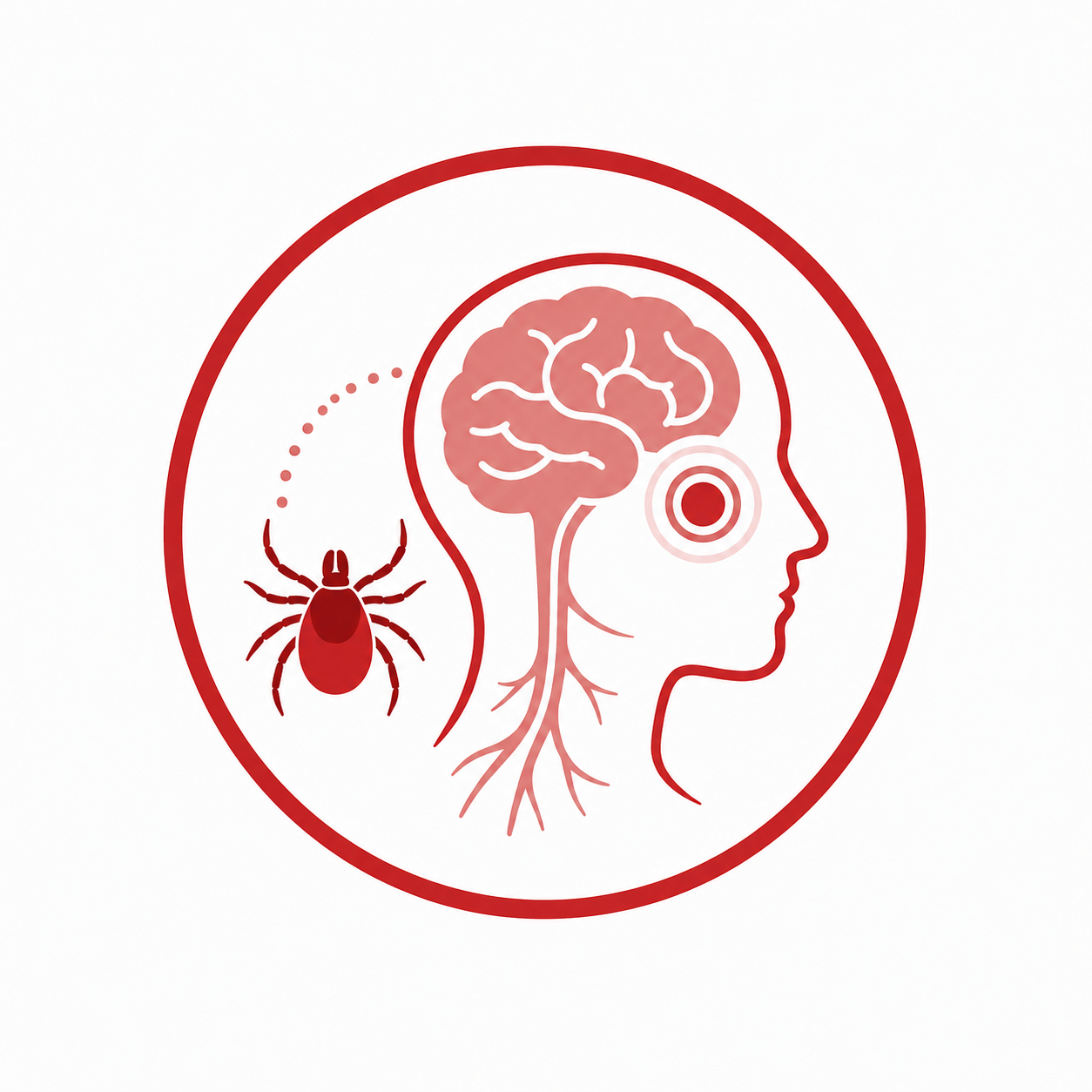
Babesia microti is maintained in nature through ticks and animal hosts, particularly white-footed mice and other small mammals. Ticks can become infected when they feed on an infected host and can later transmit the parasite while feeding on another host, including a person.
CDC notes that Ixodes scapularis nymphs usually must remain attached for more than 36–48 hours to transmit the parasite. Because prompt tick removal can reduce the risk of tick-borne infection, attached ticks should be removed as soon as possible.
Can Babesiosis Spread Without a Tick Bite?
Yes. Although tick bites are the primary way people acquire babesiosis, infection can also occur through other routes.
These include:
- Blood transfusion from blood containing Babesia parasites
- Organ transplantation from an infected donor
- Mother-to-child transmission, which can occur during pregnancy or around the time of birth
Blood transfusion and mother-to-child transmission are recognized by CDC as less common routes of infection. IDSA also recognizes organ transplantation as a possible route of Babesia microti transmission.
Babesia parasites do not spread through ordinary person-to-person contact like a cold or the flu.
Signs & Symptoms
Many people infected with Babesia have no symptoms at all.
When symptoms occur, they may begin approximately a week after infection but more commonly develop over several weeks or months. In some cases, symptoms can take even longer to appear.
Symptoms may include:
- Fever
- Chills
- Sweats
- Headache
- Body aches
- Loss of appetite
- Nausea
- Fatigue
- Weakness
Because Babesia parasites infect and destroy red blood cells, babesiosis can also cause hemolytic anemia.
How Can Babesiosis Affect Red Blood Cells?
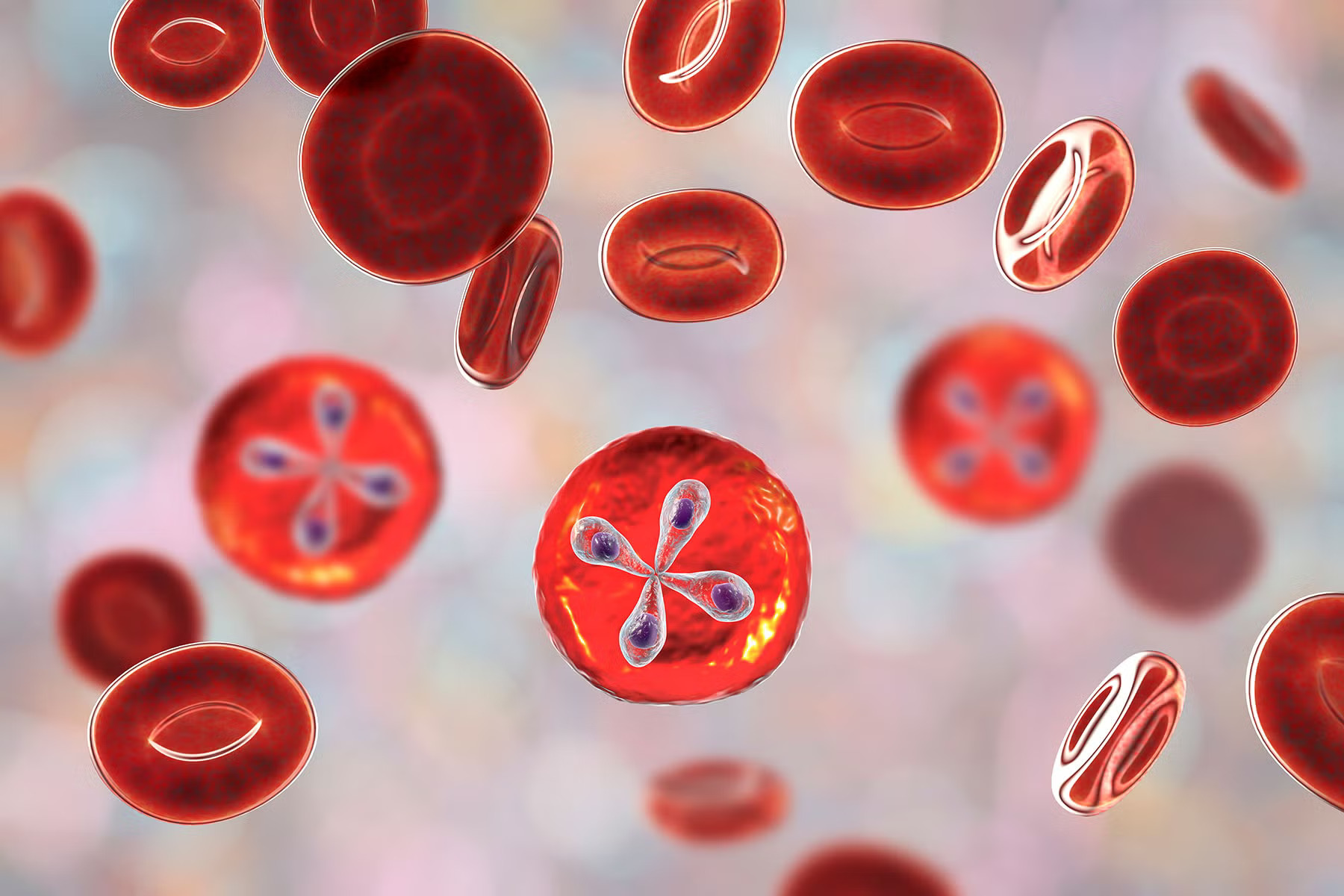
Babesia parasites infect red blood cells and multiply within them.
As infected red blood cells are destroyed, some people can develop hemolytic anemia, a condition in which red blood cells are destroyed faster than the body can replace them.
Signs and symptoms associated with hemolytic anemia can include:
- Fatigue
- Weakness
- Jaundice, or yellowing of the skin or eyes
- Dark urine
Babesiosis-related destruction of red blood cells can become severe and contribute to serious complications.
Who Is at Greater Risk of Severe Babesiosis?
Babesiosis can become serious or life-threatening, particularly for certain people.
People at increased risk of severe illness include those who:
- Do not have a spleen or have reduced spleen function
- Have a weakened immune system
- Have cancer or certain other conditions that impair immune function
- Have HIV infection
- Take immunosuppressive medications
- Have congestive heart failure or serious liver or kidney disease
- Are older, with CDC identifying people over 50 years old as being at increased risk of severe disease
Certain highly immunocompromised people—including some people with B-cell lymphoma or other malignancies, particularly those receiving medications such as rituximab—may be at increased risk of persistent or relapsing infection.
Newborns (neonates) can also be at increased risk of severe disease, including those exposed to Babesia microti through blood transfusion, transplacental transmission, or tick transmission.
What Complications Can Babesiosis Cause?
Severe babesiosis can cause serious medical complications, including:
- Severe hemolytic anemia
- Thrombocytopenia (low platelet count)
- Low or unstable blood pressure
- Disseminated intravascular coagulation (DIC), which can cause abnormal clotting and bleeding
- Acute respiratory distress
- Kidney failure
- Liver impairment
- Changes in mental status
- Dysfunction or failure of major organs
- Death
Severe complications do not occur in everyone with babesiosis, but the disease can become life-threatening, particularly in people at increased risk.
When Should You Contact a Healthcare Provider?
Contact a healthcare provider if you develop symptoms after a known or possible tick bite or after spending time in an area where ticks may be present.
Tell your healthcare provider about:
- Any known or possible tick bites
- Recent outdoor activities
- Where you recently traveled or spent time outdoors
- When the possible exposure occurred
- When your symptoms began
Seek prompt medical attention if you develop severe or rapidly worsening symptoms, such as difficulty breathing, severe weakness, confusion, jaundice, dark urine, or other significant changes in your health.
People who do not have a spleen, have weakened immune systems, are older, or have serious underlying medical conditions should be especially attentive to symptoms following possible tick exposure.
How Is Babesiosis Diagnosed?
Because symptoms of babesiosis can resemble those of other illnesses, laboratory testing is important.
A healthcare provider may diagnose babesiosis by examining a peripheral blood smear under a microscope to look for Babesia parasites inside red blood cells. Sometimes more than one blood smear may need to be examined because parasites are not always easily detected in a single sample.
A polymerase chain reaction (PCR) test may also be used to help confirm infection. PCR can be especially useful when the number of parasites in the blood is low.
For suspected acute babesiosis, IDSA recommends confirmation with a peripheral blood smear or PCR rather than relying on antibody testing alone.
A single positive Babesia antibody test by itself is not sufficient to confirm active babesiosis because antibodies can remain detectable for a year or longer after the infection has apparently cleared.
Is Babesiosis Treatable?
Yes. Babesiosis is treatable.
Most people who are infected but have no symptoms do not require antimicrobial treatment. However, IDSA notes an important exception: treatment is recommended for an asymptomatic patient if parasites continue to be seen on a thin blood smear for more than one month. Treatment decisions should be individualized by a healthcare provider, particularly for people who have or are at risk for severe or relapsing infection.
For people who are ill, treatment typically involves a combination of prescription medications. CDC and IDSA list:
- Atovaquone plus azithromycin as the preferred treatment combination
- Clindamycin plus quinine as an alternative treatment combination
For ill people with competent immune systems, treatment typically lasts 7 to 10 days. People with weakened immune systems—particularly those who are highly immunocompromised—or people with persistent or relapsing infection may require substantially longer treatment and closer clinical and laboratory monitoring.
People with severe babesiosis may require hospitalization and antimicrobial therapy, along with supportive medical care.
Depending on the severity of the infection and its complications, treatment and supportive care may include:
- Hospital-based antimicrobial therapy, which may include intravenous medication
- Medications to support dangerously low or unstable blood pressure
- Blood transfusion
- Exchange transfusion in selected severe cases
- Mechanical ventilation
- Dialysis
- Other supportive treatment for complications
Exchange transfusion may be considered in selected patients with severe babesiosis, including patients with high-grade parasitemia greater than 10%, severe hemolytic anemia, and/or severe pulmonary, kidney, or liver impairment.
The decision to perform exchange transfusion should not necessarily be based solely on the level of parasitemia; the patient’s overall clinical condition and evidence of end-organ dysfunction should also be considered. Expert consultation is strongly advised when exchange transfusion is being considered.
Treatment should always be directed by a qualified healthcare professional.
Is There a Vaccine for Babesiosis?
There is currently no licensed vaccine available to prevent babesiosis in people.
Preventing tick bites and promptly removing attached ticks are therefore important ways to reduce the risk of infection.
How to Help Prevent Babesiosis
The best way to reduce your risk of tick-borne babesiosis is to reduce exposure to ticks, prevent tick bites, and check carefully for ticks after spending time outdoors.
Protect Yourself From Tick Bites
When spending time outdoors:
- Avoid or use extra caution in wooded, brushy, or grassy areas and areas with high grass or leaf litter.
- Walk in the center of trails when possible.
- Use an EPA-registered insect repellent according to the product label.
- Wear long pants, long sleeves, and socks when practical.
- Consider clothing and gear treated with 0.5% permethrin.
- Check yourself, children, pets, clothing, and gear for ticks after spending time outdoors.
- Shower within two hours of coming indoors. Showering may help wash away unattached ticks and provides a good opportunity to perform a thorough tick check.
Check Carefully for Ticks
Perform a full-body tick check after spending time outdoors.
Pay special attention to:
- In and around the hair
- In and around the ears
- Under the arms
- Around the waist
- Inside the belly button
- Behind the knees
- Between the legs
Remember that blacklegged tick nymphs can be extremely small—about the size of a poppy seed—and may be difficult to see.
Be Tick Smart
If you find an attached tick:
- Use clean, fine-tipped tweezers to grasp the tick as close to the skin’s surface as possible.
- Pull the tick away from the skin using steady, even pressure.
- Do not twist or jerk the tick.
- After removing the tick, thoroughly clean the bite area and your hands with soap and water, rubbing alcohol, or hand sanitizer.
- Check the rest of your body carefully for additional ticks.
Remove attached ticks as soon as possible rather than waiting for a healthcare provider to remove them.
Continue to pay attention to how you feel following a tick bite. If you develop fever, chills, sweats, headache, body aches, unusual fatigue, weakness, jaundice, dark urine, or other concerning symptoms after possible tick exposure, contact a healthcare provider and mention the possible exposure.
Educational Disclaimer
This information is provided for educational purposes only and is not intended to replace professional medical advice, diagnosis, or treatment.
If you develop a fever, rash, unusual fatigue, headache, body aches, nausea, vomiting, or other concerning symptoms following a known or possible tick exposure, contact a qualified healthcare provider and mention the potential tick exposure.

