Tularemia (Rabbit Fever)
What Is Tularemia?
Tularemia is a rare but potentially serious bacterial infection caused by Francisella tularensis. The disease can affect both people and animals and is sometimes referred to as “rabbit fever.”
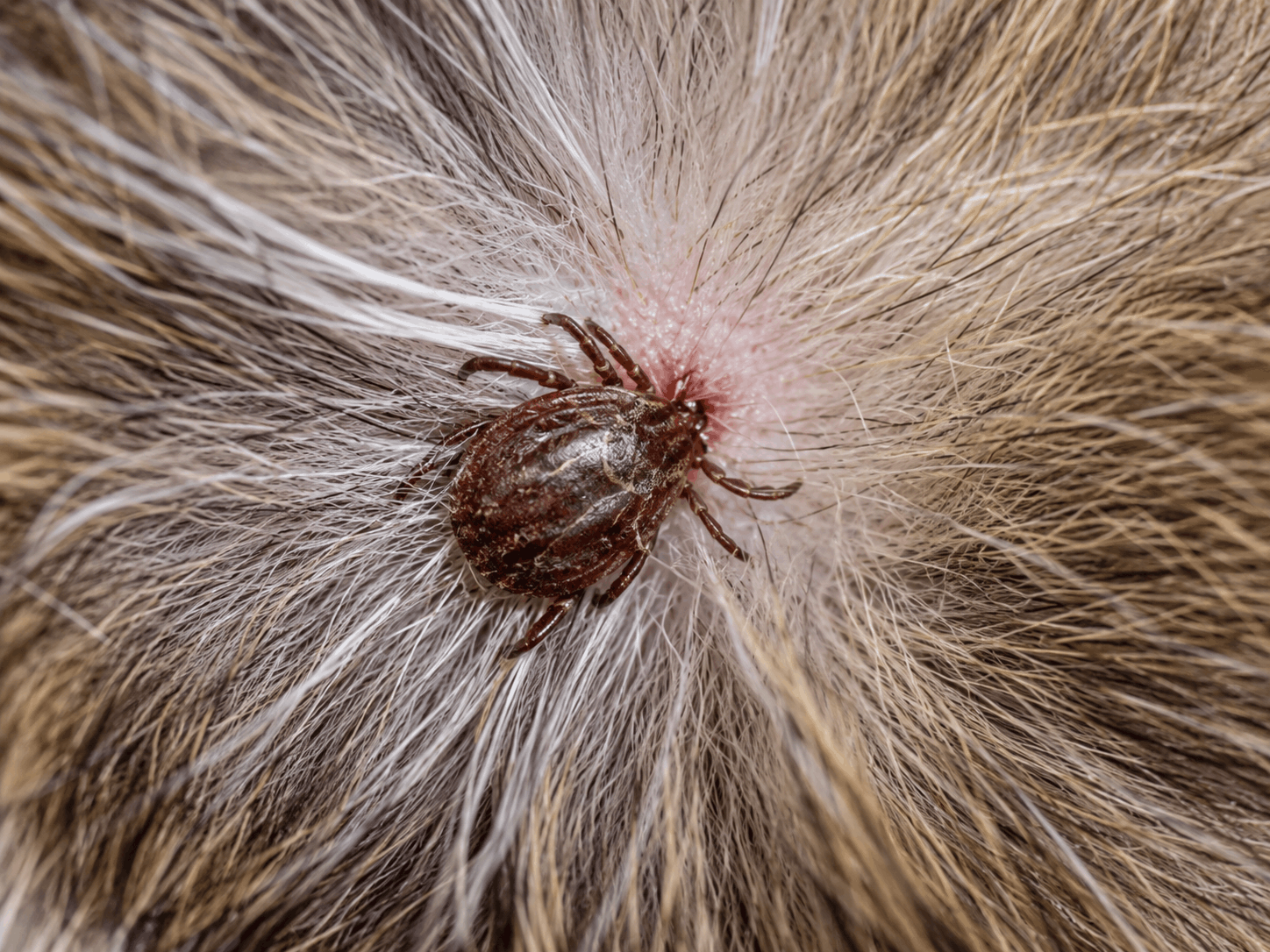
People can become infected in several ways, including through the bite of an infected tick or deer fly, contact with infected animals, consuming contaminated food or water, or inhaling contaminated dust or particles.
Tularemia is not known to spread from person to person except in very rare circumstances.
How Do Ticks Spread Tularemia?
In the United States, several tick species are known to transmit the bacteria that cause tularemia, including:
- American dog tick (Dermacentor variabilis)
- Rocky Mountain wood tick (Dermacentor andersoni)
- Lone star tick (Amblyomma americanum)
An infected tick can transmit the bacteria while feeding on a person.
The tick species known to transmit tularemia in the United States are different from the tick species that transmit Lyme disease.

Signs & Symptoms
Symptoms usually begin about 3–5 days after exposure, but they can appear anywhere from 1–21 days after exposure.
The symptoms a person develops can vary depending on how the bacteria entered the body and the form of tularemia that develops.
Depending on the form of tularemia, symptoms may include:
- Fever and chills
- Headache
- Fatigue or weakness
- Muscle aches
- Swollen lymph nodes
- Sore throat
- Cough or chest discomfort
After an infected tick or deer fly bite, a person may also develop a skin sore or ulcer near the area where the bacteria entered, along with swollen lymph nodes near the bite site.
Different Forms of Tularemia
Tularemia can affect different areas of the body depending on how exposure occurred.
Ulceroglandular Tularemia
The most common form associated with tick or deer fly bites and contact with infected animals. A skin ulcer may develop where the bacteria entered the body, accompanied by swollen nearby lymph nodes.
Glandular Tularemia
Similar to ulceroglandular tularemia, but a noticeable skin ulcer may not develop. Swollen lymph nodes are typically present.
Oculoglandular Tularemia
Occurs when the bacteria enter the eye. Symptoms may include eye irritation, redness or swelling, and swollen lymph nodes near the ear or neck.
Oropharyngeal Tularemia
Can occur after consuming contaminated food or water. Symptoms may include a severe sore throat, mouth sores or ulcers, swollen tonsils, and swollen lymph nodes in the neck.
Pneumonic Tularemia
The most serious form of tularemia, involving the lungs. Symptoms may include coughing, chest pain, and difficulty breathing.
Pneumonic tularemia can develop after inhaling bacteria or when an infection elsewhere in the body spreads to the lungs, particularly when untreated.
Typhoidal Tularemia
A less localized form that may cause general symptoms such as fever, chills, headache, fatigue, and muscle aches without the characteristic skin ulcer, swollen lymph nodes, eye, throat, or lung findings seen with some other forms of tularemia.
When Should You Contact a Healthcare Provider?
Contact a healthcare professional if you develop unexplained fever, swollen lymph nodes, a skin ulcer, or other concerning symptoms after:
- A recent tick or deer fly bite
- Handling a sick or dead animal
- Hunting or skinning wild animals
- Drinking potentially contaminated untreated water
- Landscaping, mowing, or similar activities that may have generated contaminated dust or aerosols, especially around sick or dead animals

Tell your healthcare provider about any recent tick bites, insect bites, animal exposure, outdoor activities, or other possible exposures.
Tularemia is uncommon, and its symptoms can resemble those of other illnesses, so exposure history can be important when determining the cause.
Is Tularemia Treatable?
Yes. Tularemia can be successfully treated with appropriate antibiotics.
Early recognition and proper medical treatment are important, particularly because some forms of the disease can become serious.
The specific antibiotic and length of treatment will depend on factors such as the type and severity of the infection and should be determined by a healthcare professional.
How to Help Prevent Tularemia
Protect Yourself From Tick Bites
When hiking, camping, gardening, or spending time in areas where ticks may live:
- Wear long pants, long sleeves, and closed-toe shoes when practical.
- Use an EPA-registered insect repellent according to the product directions.
- Perform a thorough tick check after spending time outdoors.
- Check children, pets, clothing, and outdoor gear for ticks.
- Remove attached ticks promptly and correctly using clean fine-tipped tweezers.

Be Careful Around Wild Animals
Tularemia can also spread through contact with infected animals or animal tissue.
- Avoid touching sick or dead wild animals with bare hands.
- Wear gloves when handling or skinning wild game.
- Wash hands and equipment thoroughly after handling animals.
- Cook wild game thoroughly before eating it.
- Avoid animal bites and scratches.
Avoid Untreated Surface Water
- Do not drink untreated surface water from sources such as lakes, rivers, streams, or ponds.
Take Precautions When Landscaping
In some situations, bacteria can become airborne when mowing, brush cutting, or other machinery disturbs an infected animal or animal carcass.
Check lawns and work areas for sick or dead animals before mowing, brush cutting, or performing other landscaping activities.
Do not mow directly over animal carcasses.
Be Tick Smart
Preventing tick bites and checking for ticks after outdoor activities are important steps in reducing your exposure to tick-borne illnesses.
If you find an attached tick, remove it promptly using clean fine-tipped tweezers. Grasp the tick as close to the skin’s surface as possible and pull the tick away from the skin with steady, even pressure. Do not twist or jerk the tick.
After removing the tick, thoroughly clean the bite area and your hands with soap and water, rubbing alcohol, or hand sanitizer.
Educational Disclaimer
This information is provided for educational purposes only and is not intended to replace professional medical advice, diagnosis, or treatment.
If you develop a fever, rash, unusual fatigue, headache, body aches, nausea, vomiting, or other concerning symptoms following a known or possible tick exposure, contact a qualified healthcare provider and mention the potential tick exposure.