Colorado Tick Fever (CTF): A Tickborne Viral Disease
What Is Colorado Tick Fever?
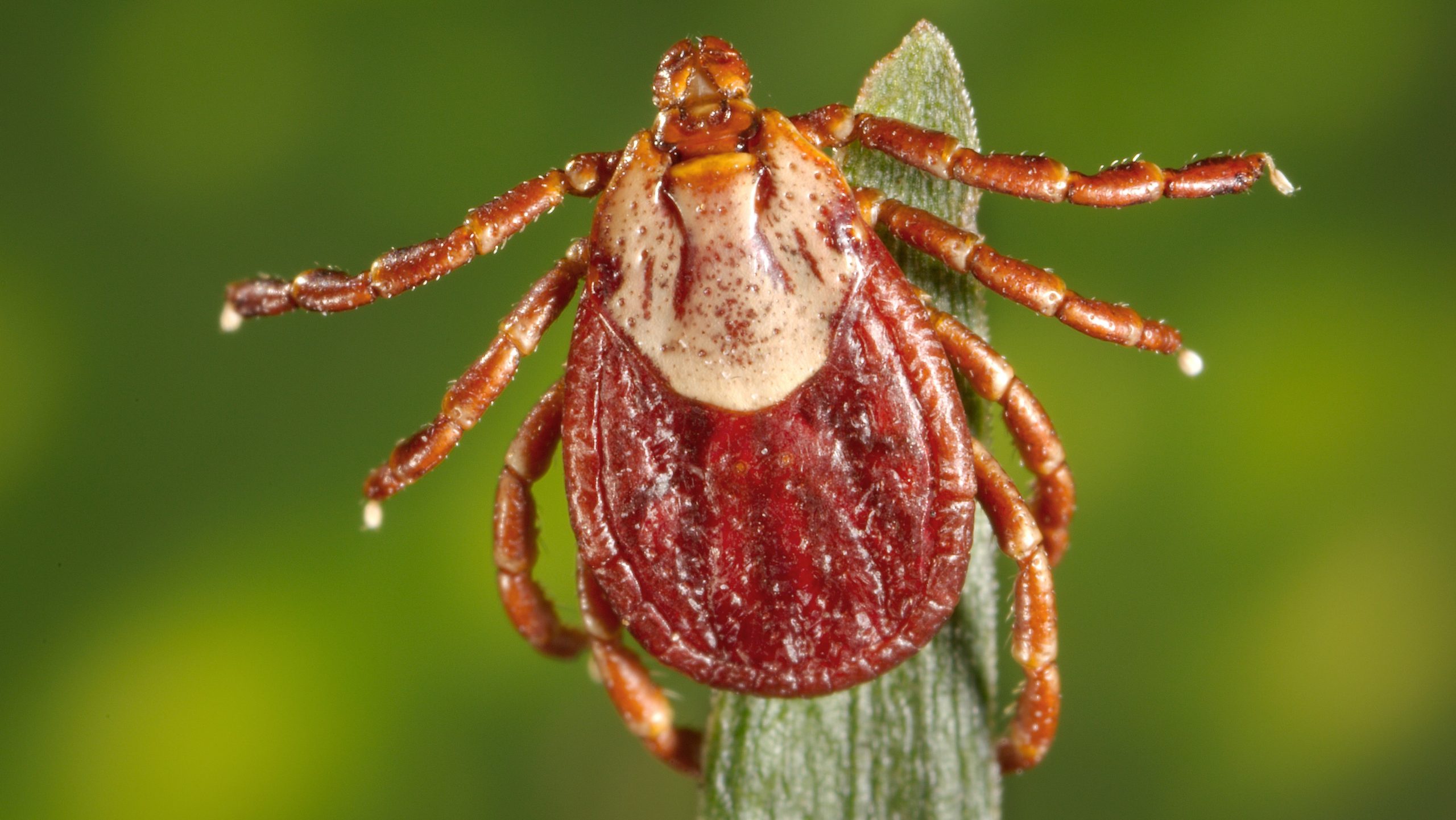
Colorado tick fever (CTF) is a rare tickborne viral disease caused by Colorado tick fever virus. The virus is primarily transmitted to people through the bite of an infected Rocky Mountain wood tick (Dermacentor andersoni).
CTF occurs mainly in the western United States and western Canada, particularly in areas where Rocky Mountain wood ticks occur at elevations of approximately 4,000–10,000 feet.
Most people who become sick have a mild illness and recover completely. However, weakness and fatigue can continue for several weeks, and in rare cases the infection can cause more serious illness involving the central nervous system.
How Is Colorado Tick Fever Spread?
People usually become infected with Colorado tick fever virus through the bite of an infected Rocky Mountain wood tick (Dermacentor andersoni).
Ticks acquire the virus when they feed on infected small mammals. Important animal reservoirs include:
- Squirrels
- Chipmunks
- Mice
After a tick becomes infected, it can transmit the virus while feeding on people or other animals.
Colorado tick fever virus is not normally transmitted directly from person to person. Rare exceptions have been documented, including one transfusion-associated case and one case of perinatal transmission from mother to baby around the time of birth.
Which Tick Spreads Colorado Tick Fever?
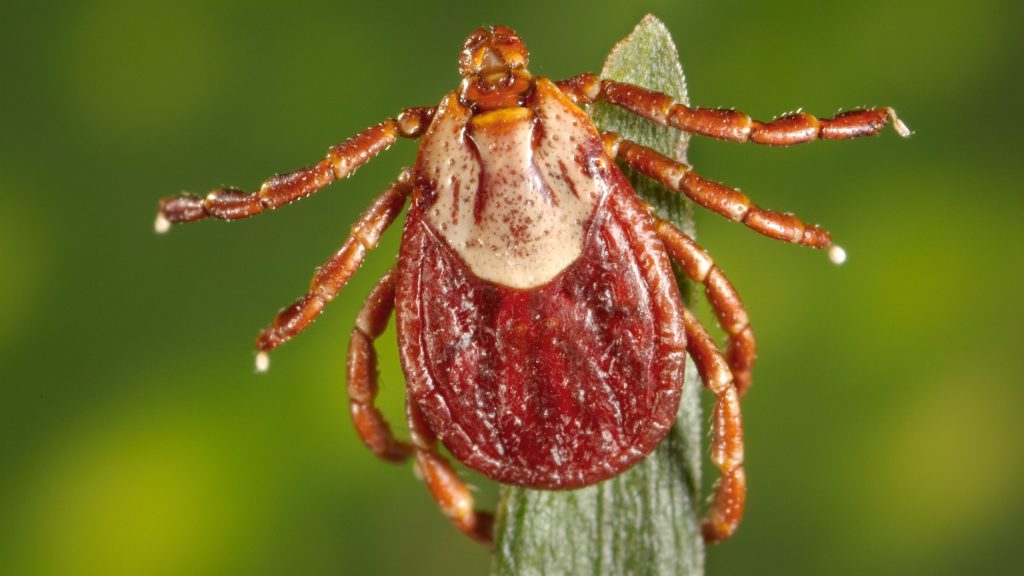
The primary vector is the:
Rocky Mountain wood tick (Dermacentor andersoni)
This tick occurs in parts of the western United States and western Canada, commonly at elevations of approximately 4,000–10,000 feet.
People may be exposed while:
- Hiking
- Camping
- Hunting
- Working outdoors
- Spending time in grassy, brushy, or wooded areas
CTF infections are particularly associated with areas where infected Rocky Mountain wood ticks occur, especially during the spring and summer, when these ticks are most active.
Where Does Colorado Tick Fever Occur?
Colorado tick fever is primarily associated with the western United States and western Canada.
CDC surveillance shows that U.S. cases are concentrated in western states where the Rocky Mountain wood tick occurs.
From 2003 through 2022, a total of 223 CTF cases were reported to CDC in the United States, with a median of 7 reported cases per year and an annual range of 3–37 cases.
Most reported illnesses occur during the spring and summer, when Rocky Mountain wood ticks are most active.
Colorado tick fever is not nationally notifiable in the United States. CDC states that, as of 2023, CTF was reportable in 10 states:
- Arizona
- Colorado
- Idaho
- Montana
- New Mexico
- Oregon
- South Dakota
- Utah
- Washington
- Wyoming
Reporting requirements can change, so healthcare providers should follow current state and local public-health requirements.
Because CTF is not nationally notifiable and reporting practices vary by state, reported surveillance numbers should not be interpreted as representing every infection that occurs.
How Soon Do Symptoms Appear?
The incubation period—the time between infection and the beginning of illness—is approximately:
1–14 days
Symptoms can begin suddenly.
What Are the Symptoms of Colorado Tick Fever?
Common symptoms include:
- Fever
- Chills
- Headache
- Body or muscle aches
- Fatigue or unusual tiredness
Some people may also experience:
- Sore throat
- Vomiting
- Abdominal pain
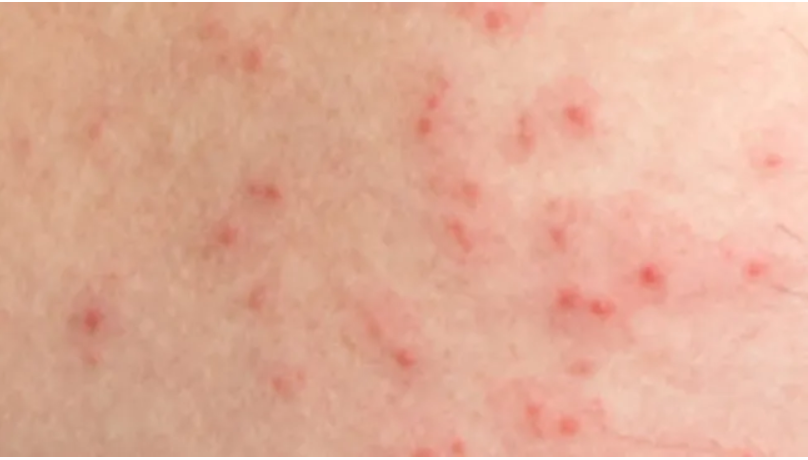
- Skin rash
Symptoms can vary from person to person, and not everyone develops every symptom.
What Is Biphasic Fever?
One of the more characteristic features of Colorado tick fever is a biphasic fever.
About half of patients experience this pattern.
A person may:
- Develop fever and other symptoms for several days.
- Begin feeling better and become fever-free for several days.
- Develop a second, usually shorter period of fever and illness.
The temporary improvement does not necessarily mean that the illness has completely resolved.
Can Colorado Tick Fever Become Serious?
Most people with Colorado tick fever have a mild, self-limited illness and recover completely.
However, weakness and fatigue can sometimes persist for several weeks.
Rarely, CTF can cause more serious illness involving the central nervous system.
Possible signs of serious neurologic illness include:
- Stiff neck
- Confusion
- Other concerning neurologic symptoms
Rare complications can include meningitis and encephalitis. Other serious complications have also occasionally been reported.
Life-threatening illness and death are rare.
How Is Colorado Tick Fever Diagnosed?
Healthcare providers may consider Colorado tick fever based on a combination of:
- Symptoms
- Recent travel to or residence in an area where CTF occurs
- Recent outdoor activities
- Possible exposure to Rocky Mountain wood ticks
- Laboratory testing
Because the symptoms can resemble those of other tickborne and viral illnesses, laboratory testing may be needed to help confirm the diagnosis and evaluate other possible causes.
Laboratory Testing
Reverse transcription-polymerase chain reaction (RT-PCR) can detect viral RNA and is the most sensitive diagnostic test early in the course of illness.
Antibody testing can also be used, but antibody production may be delayed. Tests that measure antibodies may not become positive until approximately 14–21 days after symptoms begin.
This means an antibody test performed early in the illness may be negative even when CTF is being considered.
Laboratory findings in people with CTF can include:
- Leukopenia — a lower-than-normal white blood cell count
- Thrombocytopenia — a lower-than-normal platelet count
Testing availability can vary. Healthcare providers who suspect CTF can contact their state or local health department for guidance on appropriate diagnostic testing and specimen submission.
How Is Colorado Tick Fever Treated?
There is currently no specific antiviral treatment for Colorado tick fever.
Because CTF is caused by a virus, antibiotics do not treat the CTF infection itself.
Treatment is primarily supportive and may include:
- Rest
- Adequate fluids
- Medications to help relieve pain or fever, when appropriate
People with severe illness may require hospitalization for intravenous fluids, pain or fever management, and other supportive medical care.
Because other tickborne illnesses can cause similar symptoms and may require different treatment, people with concerning symptoms should be evaluated by a healthcare provider rather than attempting to determine the cause based on symptoms alone.
Is There a Vaccine for Colorado Tick Fever?
No.
There is currently no vaccine available to prevent Colorado tick fever, and there are no preventive medicines specifically for CTF.
Preventing tick bites is therefore the primary way to reduce the risk of infection.
Can Someone With Colorado Tick Fever Donate Blood?
People with confirmed Colorado tick fever should not donate blood or bone marrow for 6 months after their illness.
Colorado tick fever virus can remain in red blood cells for several months, and transfusion-associated transmission has been documented.
Because the virus infects cells involved in blood-cell production, transmission through bone marrow transplantation is also considered possible.
How Can Colorado Tick Fever Be Prevented?
The best way to prevent Colorado tick fever is to prevent tick bites.
Recommended steps include:
- Use an EPA-registered insect repellent according to label directions.
- Wear long sleeves and long pants when appropriate.
- Avoid grassy, brushy, and wooded areas where ticks may be present when possible.
- Walk in the center of trails when possible.
- Treat clothing and outdoor gear with products containing 0.5% permethrin, following product instructions.
- Check your clothing, body, gear, and pets for ticks after spending time outdoors.
- Shower soon after returning indoors.
- Perform a thorough full-body tick check.
- Remove attached ticks as soon as possible using proper tick-removal techniques.
What Should You Do If You Find an Attached Tick?
If you find a tick attached to your skin, remove it as soon as possible.
CDC recommends:
- Use clean, fine-tipped tweezers to grasp the tick as close to the skin’s surface as possible.
- Pull the tick away from the skin using steady, even pressure.
- Do not twist or jerk the tick.
- After removing the tick, thoroughly clean the bite area and your hands with soap and water, rubbing alcohol, or hand sanitizer.
- Check the rest of your body for additional ticks.
Dispose of a live tick by placing it in a sealed container, wrapping it tightly in tape, placing it in alcohol, or flushing it down the toilet. Do not crush the tick with your fingers.
Do not use petroleum jelly, heat, nail polish, or other substances in an attempt to make an attached tick detach.
CDC generally does not recommend using commercial tick testing to guide medical treatment decisions. A positive test from a tick does not necessarily mean that a person was infected, and a negative result does not guarantee that infection did not occur.
After a tick bite, watch for symptoms and contact a healthcare provider if you become ill. Tell the provider when and where the possible tick exposure occurred.
Who May Be at Risk?
Anyone exposed to infected Rocky Mountain wood ticks can potentially develop Colorado tick fever.
Risk is particularly associated with people who live, work, travel, or participate in outdoor activities in areas of the western United States and western Canada where the Rocky Mountain wood tick and CTF virus occur.
Exposure is most likely during the spring and summer, when these ticks are most active.
When Should You Contact a Healthcare Provider?
Contact a healthcare provider if you develop fever, chills, headache, body aches, unusual fatigue, rash, vomiting, or other concerning symptoms after a known or possible tick exposure—especially after living in or traveling to an area where Colorado tick fever occurs.
Be sure to tell the healthcare provider about:
- Possible tick exposure
- Recent outdoor activities
- Places you recently traveled or stayed
- Approximately when the possible exposure occurred
- When your symptoms began
Seek prompt medical attention for concerning neurologic symptoms such as confusion, a stiff neck, or other unusual neurologic changes.
Key Facts About Colorado Tick Fever
- Cause: Colorado tick fever virus
- Type of illness: Viral tickborne disease
- Primary vector: Rocky Mountain wood tick (Dermacentor andersoni)
- Main geographic area: Western United States and western Canada
- Typical vector elevation: Approximately 4,000–10,000 feet
- Incubation period: Approximately 1–14 days
- Common symptoms: Fever, chills, headache, body aches, and fatigue
- Characteristic feature: About half of patients experience a biphasic fever
- Severe disease: Rare, but neurologic and other serious complications can occur
- Specific treatment: None; treatment is supportive
- Vaccine: None
- Prevention: Prevent tick bites and promptly find and remove attached ticks
- Nationally notifiable in the U.S.: No
- Blood/bone marrow donation: Avoid for 6 months after confirmed illness
Educational Disclaimer
This information is provided for educational purposes only and is not intended to replace professional medical advice, diagnosis, or treatment.
If you develop a fever, rash, unusual fatigue, headache, body aches, nausea, vomiting, or other concerning symptoms following a known or possible tick exposure, contact a qualified healthcare provider and mention the potential tick exposure.