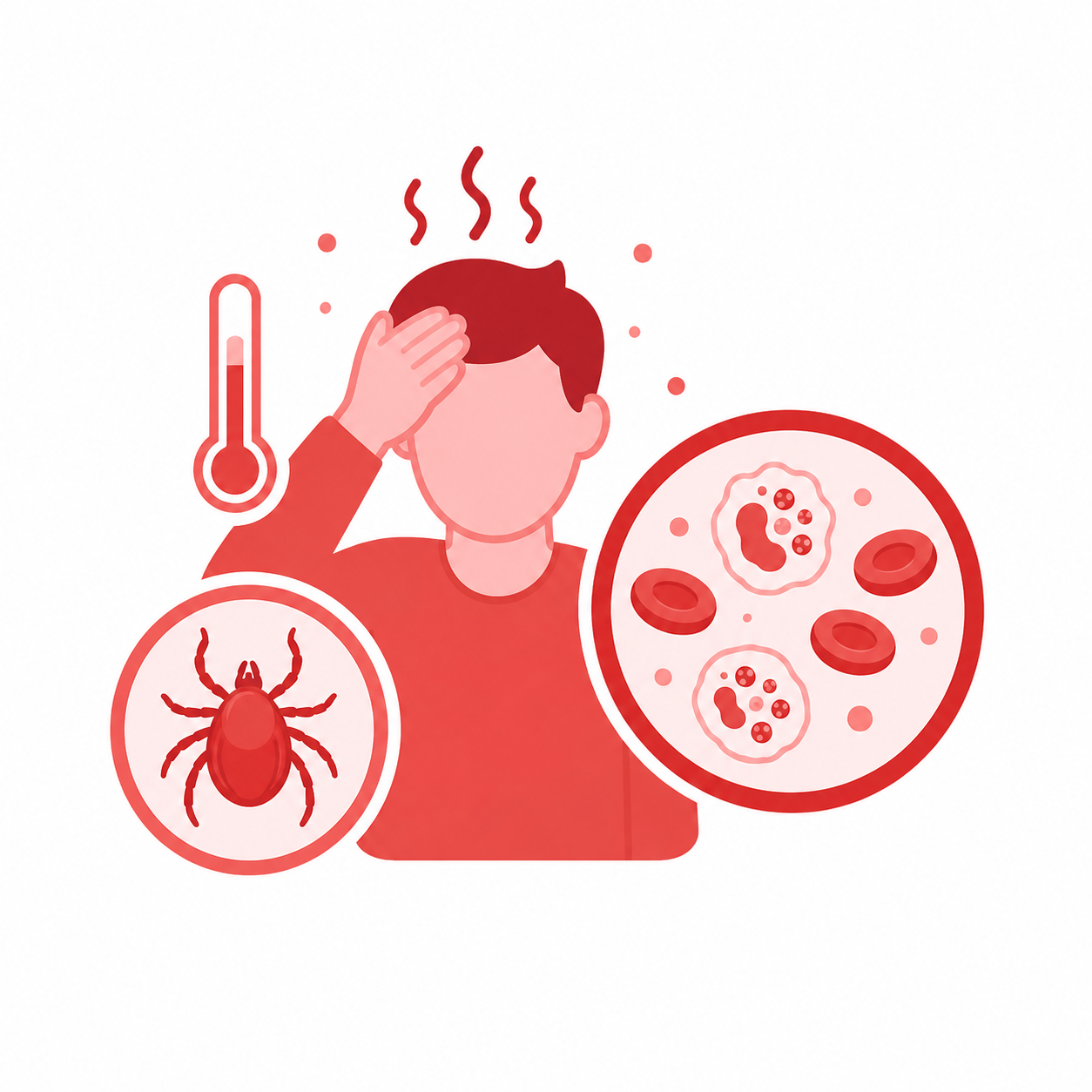
Ehrlichiosis: A Tick-Borne Bacterial Disease
What Is Ehrlichiosis?
Ehrlichiosis is the general name for a group of diseases caused by certain Ehrlichia bacteria that are primarily spread to people through the bite of an infected tick.
In the United States, ehrlichiosis is caused by three types of Ehrlichia bacteria:
- Ehrlichia chaffeensis
- Ehrlichia ewingii
- Ehrlichia muris eauclairensis
The majority of reported U.S. cases are caused by Ehrlichia chaffeensis.
Ehrlichiosis can range from mild illness to severe or potentially life-threatening disease. Early recognition and prompt antibiotic treatment are important because delayed treatment can increase the risk of serious illness.
Ehrlichiosis is a nationally notifiable condition in the United States. Ehrlichiosis caused by E. chaffeensis and E. ewingii is most frequently reported in the southeastern and south-central United States, from the East Coast extending westward to Texas.
How Do Ticks Spread Ehrlichiosis?
Most people develop ehrlichiosis after being bitten by an infected tick.
In the United States:
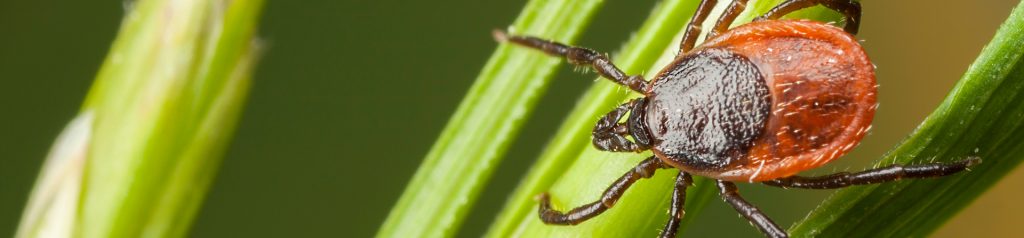
- The lone star tick (Amblyomma americanum) transmits Ehrlichia chaffeensis and Ehrlichia ewingii.
- The blacklegged tick (Ixodes scapularis), also commonly called the deer tick, transmits Ehrlichia muris eauclairensis.
The lone star tick is found primarily in the south-central and eastern United States. Although the blacklegged tick is widely distributed in the eastern United States, E. muris eauclairensis infections have been reported only in residents of or travelers to Minnesota and Wisconsin.
Tick bites can be painless, and many people with ehrlichiosis do not remember being bitten by a tick.
Can Ehrlichiosis Spread Without a Tick Bite?
Tick bites are the usual route of infection.
In rare cases, Ehrlichia species have also been transmitted through:
- Blood transfusion
- Organ transplantation
Signs & Symptoms
Symptoms of ehrlichiosis typically begin within 1 to 2 weeks after the bite of an infected tick.
Early symptoms may include:
- Fever
- Chills
- Severe headache
- Muscle aches
- Nausea
- Vomiting
- Diarrhea
- Loss of appetite
- Confusion
- Rash
Early illness is usually mild or moderate, but ehrlichiosis can progress to severe disease if appropriate antibiotic treatment is delayed.
Does Ehrlichiosis Cause a Rash?
A rash can occur, but not everyone with ehrlichiosis develops one.
CDC reports that up to 1 in 3 people with ehrlichiosis report a rash. Rash is more common with E. chaffeensis ehrlichiosis and generally occurs more often in children than in adults.
When a rash develops, it usually appears about 5 days after the fever begins and may look like red splotches or small pinpoint spots.
Because many people with ehrlichiosis do not develop a rash, the absence of a rash does not rule out the disease.
Who Is at Greater Risk of Severe Ehrlichiosis?
Anyone with ehrlichiosis can potentially develop severe illness, particularly if treatment is delayed.
CDC identifies the following factors as increasing the risk of severe illness:
- Delayed antibiotic treatment
- Being younger than 5 years old
- Being older than 65 years old
- Having a weakened immune system, such as from certain cancer treatments, advanced HIV infection, organ transplantation, or certain medications
Prompt recognition and treatment are particularly important for people at increased risk.
What Complications Can Ehrlichiosis Cause?
If antibiotic treatment is delayed, ehrlichiosis can sometimes become severe.
Serious complications can include:
- Damage to the brain or nervous system, including meningoencephalitis
- Respiratory failure
- Uncontrolled bleeding
- Organ failure
- Death
Early treatment can reduce the risk of developing severe illness.
When Should You Contact a Healthcare Provider?
Contact a healthcare provider if you become ill after:
- A known or possible tick bite
- Spending time in grassy, brushy, or wooded areas
- Other outdoor activities in areas where ticks may be present
Tell your healthcare provider about:
- Any known or possible tick bites
- Recent outdoor activities
- Where you recently traveled or spent time outdoors
- When the possible tick exposure occurred
- When your symptoms began
Remember that not recalling a tick bite does not rule out ehrlichiosis.
Seek prompt medical attention if symptoms are severe or rapidly worsening, particularly if you develop confusion, difficulty breathing, unusual bleeding, or other signs of serious illness.
How Is Ehrlichiosis Diagnosed?
Ehrlichiosis can be difficult to diagnose, particularly during the early stages of illness.
Healthcare providers consider symptoms together with possible tick exposure, recent outdoor activities, travel history, and laboratory testing.
Laboratory tests can include polymerase chain reaction (PCR) testing and blood tests that look for antibodies against Ehrlichia.
PCR testing is performed on whole blood and is most sensitive during the first week of illness. Its sensitivity decreases within 48 hours after appropriate antibiotic treatment begins. A negative PCR result does not rule out ehrlichiosis.
The reference standard serologic test for ehrlichiosis is the indirect fluorescent antibody (IFA) test for IgG antibodies. Testing is typically performed using paired acute and convalescent serum samples. The acute sample is collected during the first two weeks of illness, and the convalescent sample is collected 2 to 10 weeks later.
IgG antibody tests are frequently negative during the first week of illness, so an early negative antibody test does not necessarily exclude ehrlichiosis.
Importantly, CDC advises healthcare professionals not to delay or withhold treatment while waiting for laboratory results or because of an initially negative test when ehrlichiosis is suspected.
Is Ehrlichiosis Treatable?
Yes. Ehrlichiosis is treatable with antibiotics.
Doxycycline is the first-line treatment for adults and children of all ages with ehrlichiosis.
Doxycycline is most effective at preventing severe complications when treatment begins during the first week of illness.
CDC recommends that patients with suspected ehrlichiosis be treated with doxycycline for at least 5 to 7 days and until 72 hours after the fever has subsided, with evidence of clinical improvement. The specific treatment plan should be determined by a healthcare professional.
When treated with doxycycline, fever generally subsides within 24 to 48 hours.
Because early treatment is important, healthcare providers may begin doxycycline based on clinical suspicion rather than waiting for laboratory confirmation.
Should Antibiotics Be Taken After a Tick Bite to Prevent Ehrlichiosis?
CDC does not recommend antibiotic prophylaxis after a tick bite to prevent ehrlichiosis.
People who have been bitten by a tick should watch for symptoms and contact a healthcare provider if fever, rash, headache, or other concerning symptoms develop within 2 weeks after the tick bite.
Recommendations following a tick bite can differ for other tick-borne diseases.
Is There a Vaccine for Ehrlichiosis?
There is currently no vaccine available to prevent ehrlichiosis.
Preventing tick bites is therefore an important way to reduce the risk of infection.
How to Help Prevent Ehrlichiosis
The best way to help prevent ehrlichiosis is to reduce exposure to ticks and prevent tick bites.
Protect Yourself From Tick Bites
When spending time outdoors:
- Avoid wooded and brushy areas with high grass and leaf litter when possible.
- Walk in the center of trails.
- Use an EPA-registered insect repellent according to the product label.
- Treat clothing and outdoor gear with products containing 0.5% permethrin, or use pretreated clothing and gear.
- Check clothing, gear, children, and pets for ticks after spending time outdoors.
- Shower within two hours after coming indoors to help wash off unattached ticks and provide an opportunity to perform a thorough tick check.
Check Carefully for Ticks
Perform a full-body tick check after spending time outdoors.
Pay particular attention to:
- Under the arms
- In and around the ears
- Inside the belly button
- Behind the knees
- In and around the hair
- Between the legs
- Around the waist
Also check clothing, outdoor gear, and pets because ticks can be carried indoors and may attach later.
Be Tick Smart
If you find an attached tick:
- Use clean, fine-tipped tweezers.
- Grasp the tick as close to the skin’s surface as possible.
- Pull the tick away from the skin using steady, even pressure.
- Do not twist or jerk the tick.
- After removing the tick, thoroughly clean the bite area and your hands with soap and water, rubbing alcohol, or hand sanitizer.
Remove an attached tick as soon as possible rather than waiting for a healthcare provider to remove it.
After a tick bite, pay attention to how you feel. If you develop fever, headache, muscle aches, rash, gastrointestinal symptoms, or other concerning symptoms, contact a healthcare provider and mention the possible tick exposure.
Educational Disclaimer
This information is provided for educational purposes only and is not intended to replace professional medical advice, diagnosis, or treatment.
If you develop a fever, rash, unusual fatigue, headache, body aches, nausea, vomiting, or other concerning symptoms following a known or possible tick exposure, contact a qualified healthcare provider and mention the potential tick exposure.